
It’s 2:17 a.m. Your coffee’s gone cold for the third time, and your newborn won’t sleep unless held—the second your arms lower, those eyes pop open like a car alarm you can’t shut off. You start bargaining with the universe. “Just twenty minutes. I’ll take twenty.” Sound familiar?
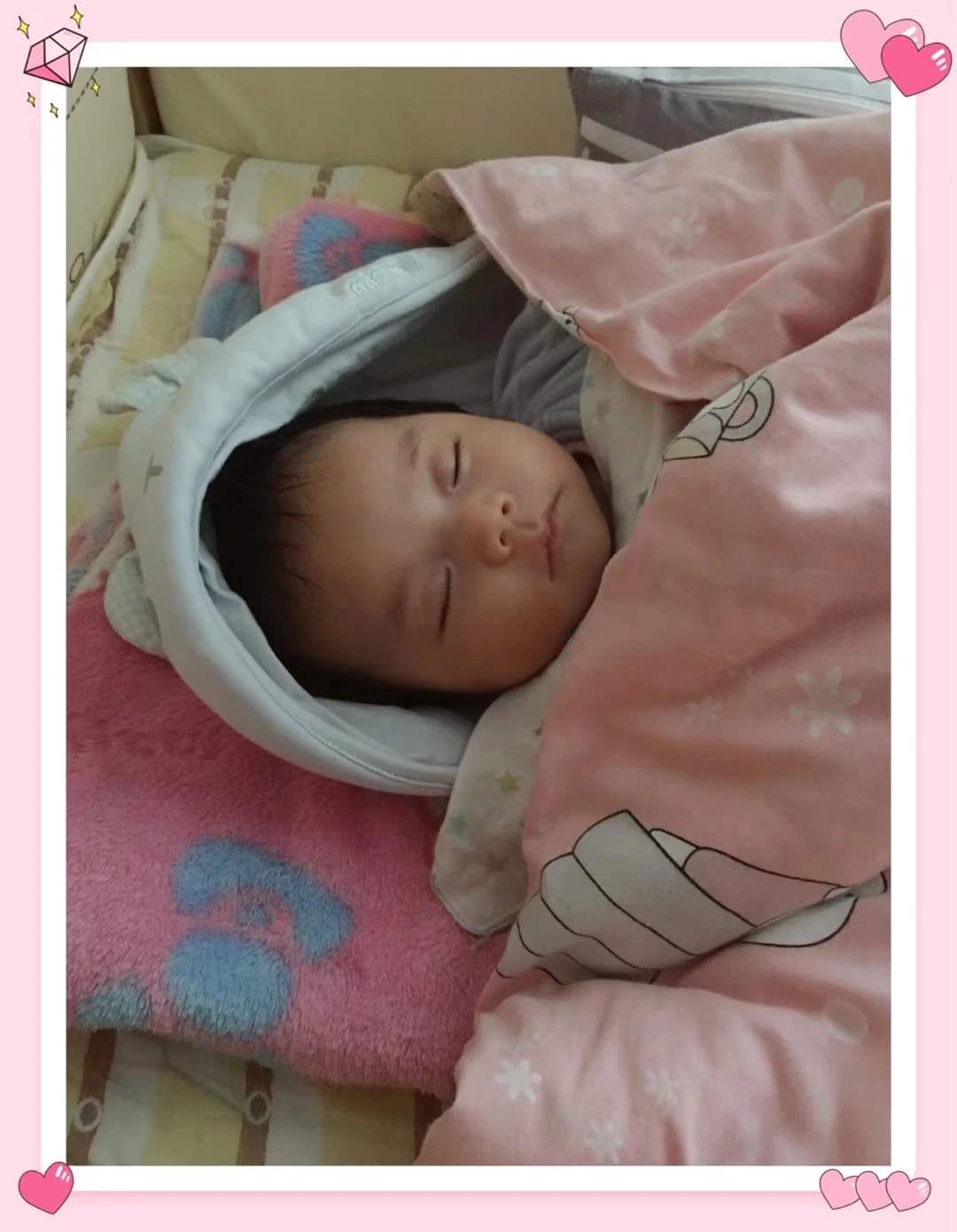
(When my daughter was a few months old)
Here’s the twist: this isn’t a bad habit; it’s biology doing its thing. The American Academy of Pediatrics notes that close contact helps regulate a newborn’s heart rate, breathing, and stress response. In plain English? Your chest feels like home base. No wonder the crib feels like a cold transfer window at the airport.
But living as a human mattress isn’t sustainable. The tension builds fast—love on one side, sheer exhaustion on the other. That’s where science-backed shifts come in, the kind that respect attachment while nudging sleep toward independence. Stick with me. We’re about to turn those midnight standoffs into something a little more manageable.
Key Points: Understanding Why Your Newborn Won’t Sleep Unless Held
- Attachment Parenting Influence: Close physical contact helps foster a Secure Attachment, making separations, like crib sleep, uncomfortable for your newborn.
- Responsive Parenting Benefits: Babies learn that their cries lead to comfort, reinforcing a need for nighttime proximity for emotional regulation.
- Security Needs: Newborns prioritize comfort, warmth, and proximity to stabilize their heart rate and emotions, making them resist sleep without being held.
- Managing Parental Emotions: Balancing love with exhaustion is key—acknowledge frustration and seek support while adjusting expectations.
Why Your Newborn Refuses Sleep Without Being Held
When a newborn won’t sleep unless held, it can feel like you’re stuck in an endless loop of rocking, pacing, and staring at the clock. If your newborn won’t sleep or your baby only sleeps when held, you’re not alone. Many parents whisper the same thing at 2 a.m.“My newborn won’t sleep unless held.” Let’s unpack why.
How Attachment Parenting Shapes Clinging at Night
When a newborn won’t sleep unless held, attachment parenting often plays a quiet role in shaping nighttime patterns. This approach centers on closeness and steady parental responsiveness, which deeply supports infant bonding and long-term secure attachment.
- Attachment Parenting and Night Sleep
- Emphasis on physical closeness during night sleep
- Frequent soothing through touch and voice
- Quick response to crying
- Impact on Newborn Clinging
- Repeated holding builds strong sleep associations
- Warmth + heartbeat = safety cue
- Crib = sudden separation
- Close contact reinforces emotional security.
- Emotional security strengthens reliance on proximity.
- Proximity becomes part of early sleep habits.
When a newborn won’t sleep unless held, it’s rarely manipulation. It’s biology mixed with experience. A baby who only sleeps when held has linked your arms with calm breathing and a steady heart rhythm. Over time, that link becomes powerful.
Parents reading resources from growing with dad often say the shift happens slowly—tiny stretches of independent rest, not dramatic overhauls.
Responsive Parenting and the Quest for Proximity
Responsive parenting teaches infants that their signals matter. When a newborn won’t sleep unless held, it’s often because infant proximity equals regulation.
Here’s how it tends to unfold:
- Baby fusses →
- Parent responds quickly →
- Crying softens →
- Calm returns in arms
That loop builds trust. It also builds expectation.
When your newborn won’t sleep unless held, it may reflect well-established sleep cues tied to parental presence. The room might be quiet, the sleep environment cozy, but without your body heat, the system doesn’t settle.
What drives this proximity-seeking?
- Newborn needs are immediate, not future-focused.
- Touch regulates stress hormones.
- Smell and voice anchor familiarity.
A baby who won’t sleep unless being held isn’t trying to make bedtime harder. The nervous system is still under construction. Co-regulation—borrowing your calm—feels safer than solo drifting off.
Short stretches of crib practice can help, but responsiveness doesn’t mean zero boundaries. It means gradual shifts that still respect emotional signals.
The Role of Security Needs in Newborn Sleep Refusal
When a newborn won’t sleep unless held, core security needs are front and center.
At this developmental stage, independence isn’t the goal. Survival is.
- Newborn Sleep and Safety
- Darkness can feel unfamiliar
- Sudden stillness may trigger the startle reflex
- Distance from the caregiver increases infant distress
- Sense of Safety
- Warm chest = temperature regulation
- Gentle sway = womb memory
- Soft breathing sounds = reassurance
If your newborn won’t sleep unless held, consider the regulation layers happening at once:
- Heart rate stabilizes with skin contact.
- Breathing synchronizes.
- Stress lowers.
- Muscles relax.
- Sleep patterns deepen.
A baby who only sleeps when held isn’t “spoiled.” The immature nervous system struggles with self-regulation. Being held supports basic biological balance before true independence is possible.
Calming strategies can bridge the gap:
- Swaddling for containment
- White noise for rhythmic familiarity
- Gradual transfer—hold until deeply asleep, then pause before placing down
Each small adjustment builds tolerance for space without overwhelming that growing sense of safety.
Managing Parental Frustration and Exhaustion
When a newborn won’t sleep unless held, parental exhaustion can hit hard. Arms ache. Patience thins. You might love the closeness and resent it in the same breath.
That mix is normal.
- Parental Frustration
- Feeling touched out
- Snapping over small things
- Counting minutes of lost sleep
- Sleep Deprivation
- Foggy thinking
- Mood swings
- Lower stress tolerance
Coping doesn’t require perfection.
- Rotate holding shifts with a partner if possible.
- Use safe contact naps during the day to protect nighttime sanity.
- Lower the bar—simple meals, messy house, survival mode.
Support systems matter. Text a friend. Ask family for an hour of rocking duty. Protecting your mental well-being is not selfish; it’s sustainable parenting.
Many dads in the growing with dad community admit that hearing “my newborn won’t sleep unless held” from others was a relief. It normalized the struggle.
If your newborn won’t sleep or your newborn won’t sleep unless held, this stage won’t last forever. As the nervous system matures and trust deepens, longer crib stretches usually follow.
Right now, the clinginess reflects connection. And connection, even when exhausting, is building something steady underneath the sleepless nights.
Core Reason #1: Comfort Cues Babies Crave
New parents often whisper the same exhausted line: my newborn won’t sleep unless held. If your newborn only dozes in your arms, you’re not doing anything wrong. This need for closeness is wired into early life.
Skin-to-skin Contact for Instant Warmth and Bonding
When a newborn won’t sleep unless held, the root cause is often a craving for skin-to-skin contact and parental warmth. A baby won’t sleep alone because the body is built to expect closeness.
- Why holding works so well
- Physiological regulation
- Steady heartbeat
- More stable breathing
- Balanced body temperature
- Stronger bonding
- Release of calming hormones
- Deep sense of security
- Natural calming effect
- Reduced stress signals
- Less crying before sleep
- Physiological regulation
When your newborn won’t sleep unless held, that tiny body is looking for heat, scent, and rhythm. Not a bad habit. Survival instinct.
Many parents dealing with “newborn won’t sleep unless held” notice the same pattern:
- Baby falls asleep fast on a chest.
- Baby wakes within minutes in a crib.
- Baby settles again once picked up.
This cycle happens because contact supports comfort at a biological level.
If your newborn won’t sleep unless held, try this layered approach:
- Build the base
- Daily skin-to-skin contact sessions
- After feeding
- Before naps
- Daily skin-to-skin contact sessions
- Add gentle transitions
- Hold until fully asleep
- Keep one hand resting on the baby after lying down
- Reinforce security
- Soft voice
- Warm swaddle
A newborn who won’t sleep alone isn’t being difficult. When a newborn won’t sleep unless held, it’s usually a call for connection. That early bonding shapes emotional safety later on.
As a father of two young children, I remind parents that closeness now builds confidence later. If your newborn won’t sleep unless held, you’re not spoiling your baby. You’re meeting a real need.
4 Steps to Teach Your Baby Independent Sleep
If your newborn won’t sleep unless held, you’re not alone. Many parents whisper the same thing at 2 a.m. A newborn won’t sleep unless held because closeness feels safe. Let’s break that habit gently and build real, lasting sleep independence.
Step 1: Swaddling to Mimic the Womb’s Comfort
When a newborn won’t sleep unless held, the issue often connects to lost womb environment cues. Swaddling recreates that tight, cozy comfort and security.
- Why it works
- Supports newborn sleep by calming the startle reflex
- Acts as a steady sleep aid
- Reduces “sleep unless held” dependence
- How to apply it safely
- Arms snug but hips loose
- Stop once rolling begins
- Pair swaddling with dim lights and white noise
At growing with dad, we remind parents that swaddling isn’t about restriction; it’s about recreating calm.
Step 2: Rhythmic Motion Alternatives to Babywearing
If your baby won’t sleep without being held, the missing piece is often rhythmic motion.
- Replace constant babywearing with:
- Gentle rocking bassinets
- Soft white noise
- Slow sway before lying down
Nested approach:
- Motion phase
- Rock until drowsy
- Transition phase
- Reduce intensity gradually
- Stillness phase
- Lay down before deep sleep
This supports motion sleep patterns while easing off full-body contact.
Step 3: Establishing Sleep Cycles Through Gentle Parenting
A newborn won’t sleep unless held when overtired. Tracking sleep cycles helps.
- Observe baby’s sleep patterns
- Yawning
- Red eyebrows
- Zoning out
- Build a consistent routine
- Feed
- Calm play
- Darkened room
Gentle parenting and steady parental guidance teach self-settling without harsh sleep training methods. I encourage slow change over sudden shifts.
Step 4: Gradual Boundary Setting for Secure Attachment
When your newborn won’t sleep unless held, small pauses matter.
- Start with brief separations
- Hand on chest
- Sit nearby
- Extend the distance slowly
This builds secure attachment, not distance. Healthy, gradual boundaries support emotional security, strong child development, and true sleep independence.
I believe closeness and independence can grow side by side.
Gentle Rocking vs. Stillness: Which Helps Sleep?
If your newborn won’t sleep unless held, you’re not alone. Many parents whisper the same thing at 2 a.m., pacing the floor in fuzzy socks. When a baby won’t sleep without being held, it can feel confusing and exhausting. Let’s unpack how gentle rocking and stillness shape sleep, especially for families navigating the “newborn + won’t + sleep + held” reality.
Gentle Rocking
When a newborn won’t sleep unless held, motion often feels like magic. That steady rhythm taps into prenatal memory, offering instant comfort through soft movement and snug swaddling.
- Soft swaying in arms
- Rocking chair with a slow soothing pace
- Baby carrier walks around the house
Here’s how it plays out in real life:
- Baby fusses.
- Parent adds gentle motion.
- Breathing slows.
- Muscles relax.
- Sleep lands.
For families supported by growing with dad, rocking is often framed like this:
- Immediate Calm
- ✔ Regulates heart rate
- ✔ Lowers cortisol
- Possible Trade-Off
- ✔ Strong sleep association
- Baby expects movement every cycle
- ✔ Strong sleep association
| Method | Avg. Sleep Onset (min) | Night Wakings | Parent Effort (1–5) | Association Strength |
|---|---|---|---|---|
| Arm Rocking | 8 | 4 | 5 | High |
| Rocking Chair | 10 | 3–4 | 4 | Medium-High |
| Carrier Walk | 12 | 3 | 5 | Medium |
| Crib + Pat | 15 | 2–3 | 3 | Low-Medium |
| Still Crib | 18 | 2 | 2 | Low |
If your newborn only sleeps when held, rocking works fast. Fading it slowly prevents bigger battles later.
Stillness
Stillness leans into quiet, a steady environment, and gradual settling. For parents saying, “My newborn won’t sleep unless held,” this route can feel tough at the start.
Instead of adding movement, you shape calm:
- Dim lights
- Lower noise
- Predictable rest cues
I think this is very important:
- Build the Base
- Dark, cool environment
- Consistent bedtime window
- Support the Shift
- Hand on chest for peace
- Pause before picking up
- Strengthen Self-Regulation
- Short stretches in the crib
- Gradually extend the time
- Short stretches in the crib
When a baby won’t sleep without being held, stillness trains internal settling. It’s slower. It asks for patience. Yet many families notice longer stretches of rest once the habit forms.
If your newborn won’t sleep unless held, both paths can work. One leans on soothing motion. The other builds quiet strength. The sweet spot often blends the two.
Night Feed Scheduling to Prevent Wakeful Clinging
If your newborn won’t sleep unless held, you’re not alone. Many parents whisper the same thing at 2 a.m. A newborn won’t sleep unless held, wakes during night feeds, and clings after. When a baby won’t sleep without being held, it often ties back to timing, feeding rhythm, and comfort habits. Let’s sort this out in a real-life, doable way.
Aligning Feedings with Newborn Sleep Cycles
When a newborn won’t sleep unless held, timing feeds around sleep cycles can ease that grip.
- Understand the rhythm
- Track newborn sleep patterns for 2–3 days.
- Note light sleep during short wake windows.
- Watch early feeding cues: rooting, hand-to-mouth, soft fussing.
- Adjust night strategy
- During lighter phases of night feeds, keep lights dim.
- Limit chatter so the circadian rhythm stays steady.
- Place baby down during drowsy-but-awake moments after daytime naps.
- If your newborn won’t sleep unless held
- Feed before overtired crying kicks in.
- Shorten post-feed rocking by a few minutes nightly.
A baby who won’t sleep without being held often just needs smoother transitions, not longer cuddles.
Partner Support and Lactation Consultant Tips
If your newborn won’t sleep unless held, don’t carry the load solo.
- Share partner involvement
- One handles diaper + burp.
- One focuses on efficient feeding using solid breastfeeding tips.
- Call in a lactation consultant
- Check the latch to speed feeds.
- Reduce parental exhaustion with better feeding support.
- Build simple sleep strategies
- Rotate shifts.
- Protect one longer sleep block nightly.
The American Academy of Pediatrics noted in a 2025 safe sleep update that consistent nighttime routines reduce frequent waking tied to feeding associations.
Inside the growing with dad community, dads swapping night duty plans report fewer “newborn won’t sleep unless held” meltdowns. Shared responsibilities matter.
Balancing Nourishment with Self-Regulation Training
When a newborn won’t sleep unless held, balance food and growth with infant self-regulation.
- During feeds
- Follow clear hunger cues.
- Keep steady feeding routines.
- After feeds
- Try brief pauses before lifting.
- Use soft calming techniques: hand on chest, low hum.
- Over time
- Support independent sleep in tiny stretches.
- Respect developmental milestones; growth spurts increase clinginess.
★ Small pauses build skills.
The goal isn’t forcing space. It’s helping a newborn who won’t sleep unless held learn, slowly, that the crib is safe too. That’s a core idea we stand by at growing with dad—steady support, not sudden change.
FAQs about Newborn Won’t Sleep Unless Held
Why does my newborn won’t sleep unless held at night?
When a newborn won’t sleep unless held, it usually reflects deep needs for Security, Warmth, Proximity, and Nourishment. Night increases vulnerability, and light Sleep Cycles make separation obvious.
This pattern often connects to:
- Attachment Theory – closeness builds Secure Attachment.
- Strong sensory memory – heartbeat, smell, skin.
- Immature Self-Regulation skills.
In Attachment Parenting or Responsive Parenting, quick comforting strengthens Bonding and emotional safety. The baby isn’t being difficult—this is early Emotional Development in action, wrapped in tiny hands that simply want closeness.
How can I cope with exhaustion when my newborn only sleeps in my arms?
The love is real. So is the Exhaustion. Ongoing night holding can trigger Sleep Deprivation, Overwhelm, and even quiet Frustration.
A gentle survival plan may include:
- ◦ Rotate shifts with Partner Support
- ◦ Accept Family Help or a Postpartum Doula
- ◦ Talk to a Lactation Consultant if feeds feel constant
- ◦ Rest during one daytime nap, even if brief
In High-Need Parenting, constant closeness can reduce Lack of Personal Time, so small breaks matter. Caring for yourself protects your patience, your Joy, and your baby’s sense of calm connection.
How can I encourage independent sleep while keeping a secure attachment?
Independence grows slowly; attachment does not need to break for sleep to improve.
A balanced path may look like this:
Comfort first, space second
- Use Skin-to-skin Contact during the day to deepen Bonding.
- Try Swaddling for warmth and startle control.
- Add soft Rhythmic Motion before laying baby down.
Gentle shifts over time
- Place baby down drowsy, not fully asleep.
- Pause briefly before picking up.
- Offer voice and touch before lifting.
This approach reflects Gentle Parenting and thoughtful Boundary Setting. With steady reassurance, babies build Self-Regulation step by step—held by love, not just by arms.